Dating safety · Verification links
A dating match sends a verification link. Should you pay?
Pause and check through the app
Do not enter your card or login details into a link just because a match calls it “safety verification”. Open the dating app yourself and check its official help or verification process. If you already entered card details, contact the card issuer through a number or app you know is genuine and follow its advice. You can decline the request or report it in the dating app.
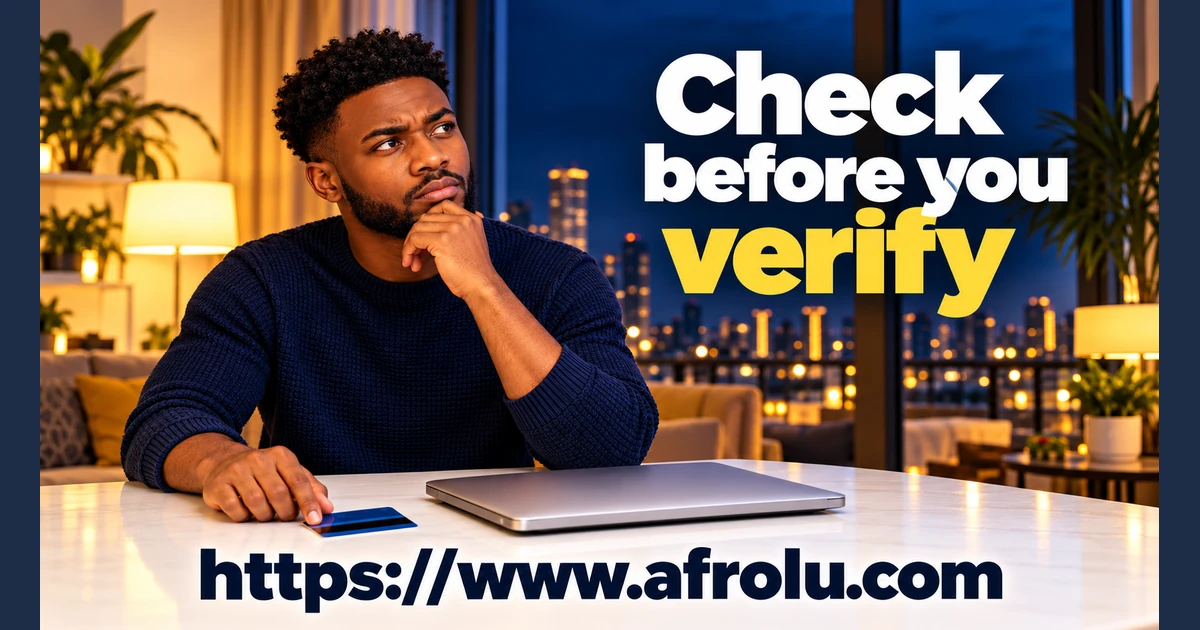
Adult student Sifa has been chatting to a match in another city. Before meeting, the match sends a link and says she must pay for a “safety badge”. Sifa wants to meet safely, but she does not know who runs the linked site or why it needs her card.
Check the app without using the sent link
Open the dating app in the usual way, or type its official address yourself. Look for its own help pages and contact its support through the app if you are unsure. The FBI describes a dating scam in which a supposed verification site asks for credit-card details. That warning does not mean every official verification feature is fake.
A website can look convincing. A match’s confidence, a badge in a screenshot or a claim that “everyone does it” does not establish that the link is safe.
If you already submitted information
For card details, contact your issuer promptly using the number on your card or a trusted banking app. Explain what you entered and follow its instructions about monitoring, blocking or replacing the card. If you entered a password, change it through the service’s official app or site and review its account-security advice.
The UK National Cyber Security Centre recommends contacting the bank after sharing card details and changing exposed passwords. What an issuer can do depends on the facts and local rules.
You can say no to the link
Sifa can write, “I will check verification through the app itself. I will not enter my card on a link sent in chat.” Her match can accept that boundary. If the request continues or feels threatening, Sifa can stop contact and use the app’s report tools.
A report or block can reduce further contact on that service, but it cannot guarantee that every risk disappears. If she decides to meet, she can choose a public place, tell someone she trusts and keep control of her own transport.
A convincing request can happen to anyone
Scammers may build trust before asking for information. If you clicked, you can still take practical steps; you do not need to solve the problem alone. Save relevant messages and transaction details where safe, and ask your issuer or a local consumer protection service what to do next.
Keep reading
More ways to protect your accounts
Sources and what they can tell us
Sifa and the match are invented adults. Official verification features, card-issuer processes and reporting services vary.
- Federal Bureau of Investigation: Breaking up with scammers
It describes dating verification scams that request credit-card details.
Limit: It does not identify the specific site in Sifa’s invented conversation. - National Cyber Security Centre: Phishing
It advises contacting the bank after sharing card details and changing exposed passwords.
Limit: Its reporting guidance is UK-focused; local options and outcomes vary. - RAINN: Tips for safer dating: online and in person
It recommends public meetings, telling a trusted person and controlling transport.
Limit: These steps reduce risk but cannot guarantee safety.
Questions about verification links
Are all dating-app verification tools scams?
No. Check the app’s own official instructions independently; do not assume a link sent by a match is official.
What if I entered my card number?
Contact the issuer promptly using a trusted number or banking app and follow its instructions.
Does reporting guarantee my money back?
No. Report the incident and ask the issuer about options, but outcomes depend on the facts and local rules.